

Free school meals are popular. Hawaiʻi isn’t sold.
Three years after lawmakers first considered making school meals free for all kids, students and teachers are still pushing for change.
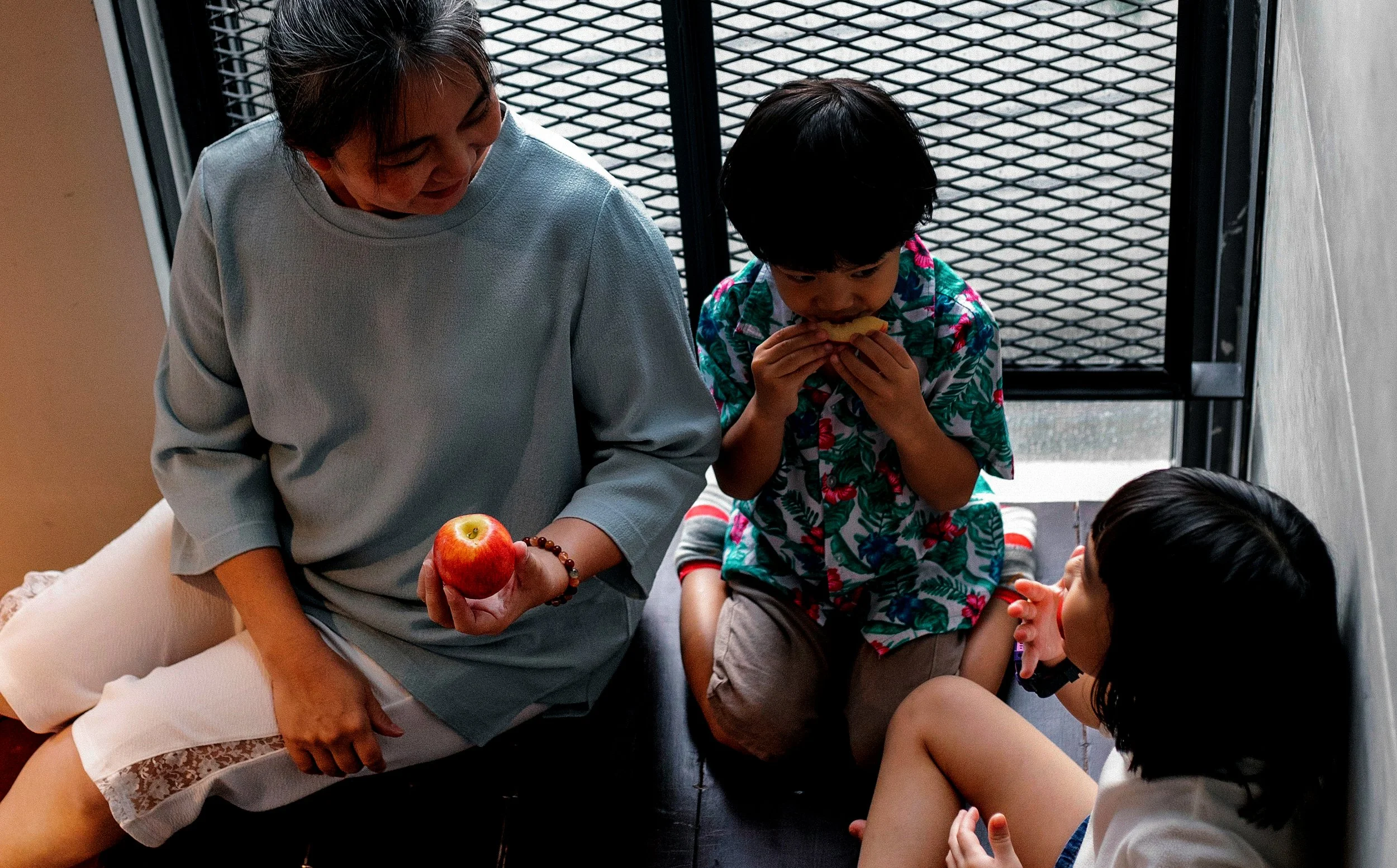
Some Honolulu charter amendment proposals seek to improve food security, farming
Nearly 280 proposed charter amendments have been submitted to the Honolulu Charter Commission, including several with a focus on improving farming or ensuring that residents don’t go hungry.
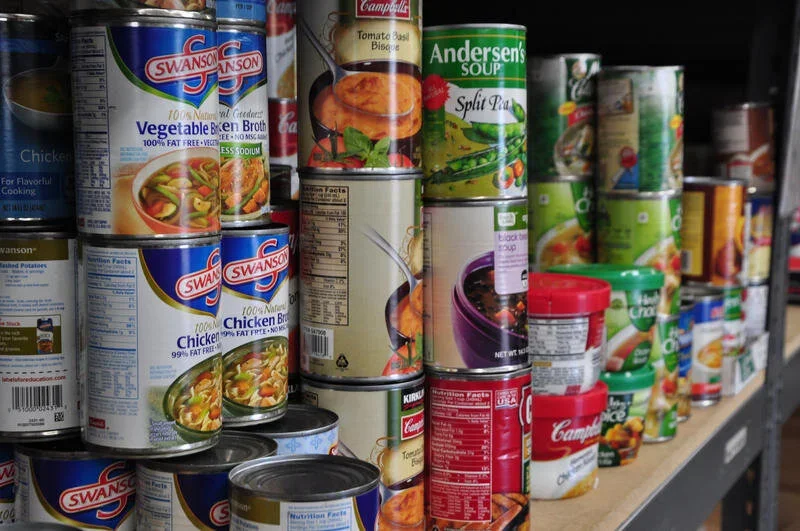
How City Council could improve food security for Oʻahu residents
The Honolulu City Council should work on disaster planning, summer feeding programs for children, kūpuna programs, and direct funding for food banks.

More Hawaiʻi residents are going hungry, new statewide report shows
The report was produced at a time when food security was bad in Hawaiʻi. But now, advocates say, it’s even worse.

Aloha helps keep Hawaiʻi fed even during SNAP crisis
Still, food banks are seeing unprecedented increases in demand that will likely continue for months.

Mom-and-pop stores losing EBT customers struggle to survive
It’s not only making it harder for families to put food on their tables. It’s also affecting people’s livelihoods.
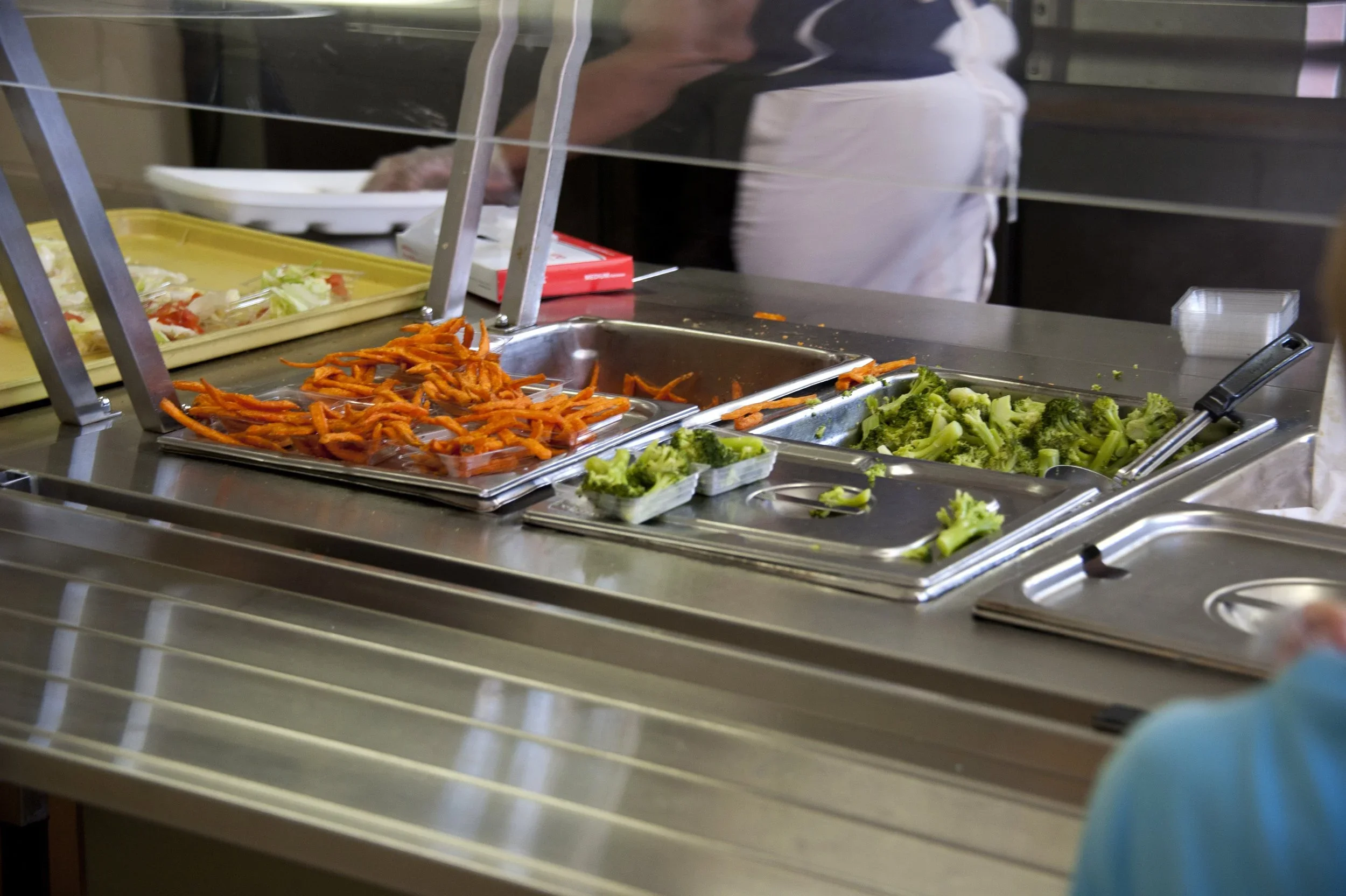
Hawaiʻi DOE wants another $30M for a facility that hasn’t been built
The Department of Education is pinning its local food buying goals on a central facility, and the budget is getting bigger and bigger.

Four Hawaiʻi nonprofits receive investments as SNAP cuts loom
More than 13,000 people in Hawaiʻi could lose some or all of their benefits each month once expanded work requirements are implemented.

As federal support fades, farm to families could fill the gap
Now, more than ever, investing in local food systems through programs like Farm to Families is a necessary strategy to build Hawaiʻi’s economic resilience and reduce food insecurity.

Hawaiʻi food banks report canceled shipments and frozen funds amid federal cuts
As the uncertainty around the Trump administration's possible cuts continues, the need for food assistance grows and the federal resources to fill that need shrink, the food banks are considering what to do.

Sugary drink taxes can dismantle systemic inequities by giving back to communities
We have ample evidence to show that low-income neighborhoods have less access to healthy food and drink options, decreased opportunities for physical activity, and limited access to healthcare.